D&S Automotive Is Becoming a Vehicle Safety Systems Inspection Station (VSSI): What Does That Mean for You?
A repaired vehicle may look ready for the road long before its registration paperwork is finished. If it was declared a total loss, registering it again involves more than replacing damaged panels and getting it to drive normally.
We're preparing to become a California Vehicle Safety Systems Inspection station. For customers, that planned service means a local place to discuss the safety inspection required for certain registration situations. Here is what the program checks and how it fits into the process of returning a repaired vehicle to legal road use.
What a Vehicle Safety Systems Inspection Covers
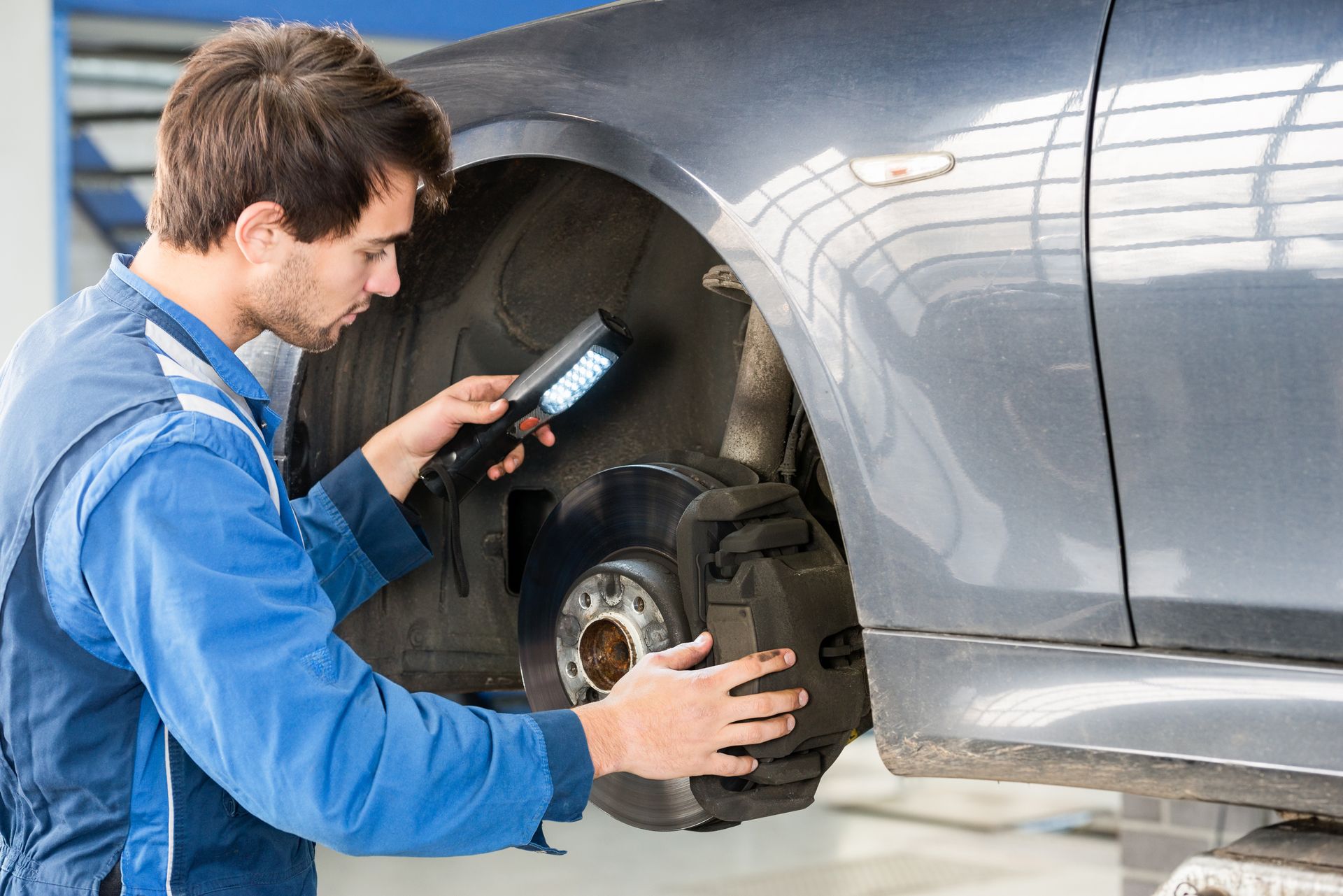
California's Bureau of Automotive Repair oversees the VSSI program. It checks more than the brakes and lights covered by the previous certification arrangement. Under the program's procedures, it also reviews areas such as body structure, the passenger compartment, steering, suspension, tires, and wheels.
Electronic information is part of the review too. The process includes an onboard scan, a check for open safety recalls, and a road test. A car that starts, stops, and looks straight still has to meet the inspection requirements. Seat belts, airbag equipment, warning indicators, and other less visible areas are part of the safety picture.
Who Needs a VSSI Certificate in California?
Revived salvage vehicles are a main reason owners encounter this program. A vehicle repaired after an insurance total loss needs the required inspection to return to registration. California DMV also identifies other qualifying situations, including revived junk and specially constructed vehicles.
This isn't a new yearly safety inspection for every California car. The registration transaction and vehicle classification determine what is required. Bring the DMV request or paperwork when discussing an appointment so the service matches the actual requirement. An ordinary maintenance inspection and a VSSI certification appointment have different purposes.
How a Licensed VSSI Station Performs the Inspection
The station and inspecting technician need the required licenses, equipment, and access to vehicle repair information. Results are entered into BAR's inspection platform. The technician follows the program's procedures and the manufacturer's specifications for the vehicle being inspected.
The appointment evaluates the vehicle presented, not a promise that it will pass. Repairs should be complete before certification is attempted. A warning light, damaged tire, incomplete restraint repair, or unresolved safety recall may require correction before a passing result can be issued. Hiding a warning or clearing its memory doesn't complete the underlying repair.
Preparing a Repaired Vehicle for Its Safety Inspection
Preparation starts with the repair history and the vehicle's current condition. An invoice showing replacement parts helps explain what work was done, while the inspection still has to verify the required areas. A repaired front corner, for example, may involve steering, suspension, lighting, and restraint-related work in addition to body panels.
Before booking your service, prepare:
- The VIN and registration-related paperwork
- Collision and mechanical repair invoices
- Information about replaced airbags or seat belts
- Records of safety-recall repairs
- Details of any warning lights still showing
- Questions about the inspection price and scheduling
Confirm transportation arrangements if the vehicle isn't legally registered or safe to drive. A certification appointment isn't permission to drive a damaged or unregistered car to the station. The method of getting it there should fit the vehicle's condition and DMV requirements.
What Happens After a VSSI Pass or Failure
After a passing inspection, the station provides a vehicle safety report, and the DMV receives the electronic certificate information. Keep the report with your repair and registration records. DMV still handles the remaining registration requirements, which may include other documents or an emissions inspection for the vehicle involved.
If the vehicle fails, the report identifies the issues that need correction. The owner can review the findings and authorize the necessary repairs. BAR requires a new inspection after those corrections, covering the required safety areas again. A previous failure shouldn't be treated as a limited checklist that excludes the rest of the vehicle at the next appointment.
VSSI and Smog Check Serve Different Purposes
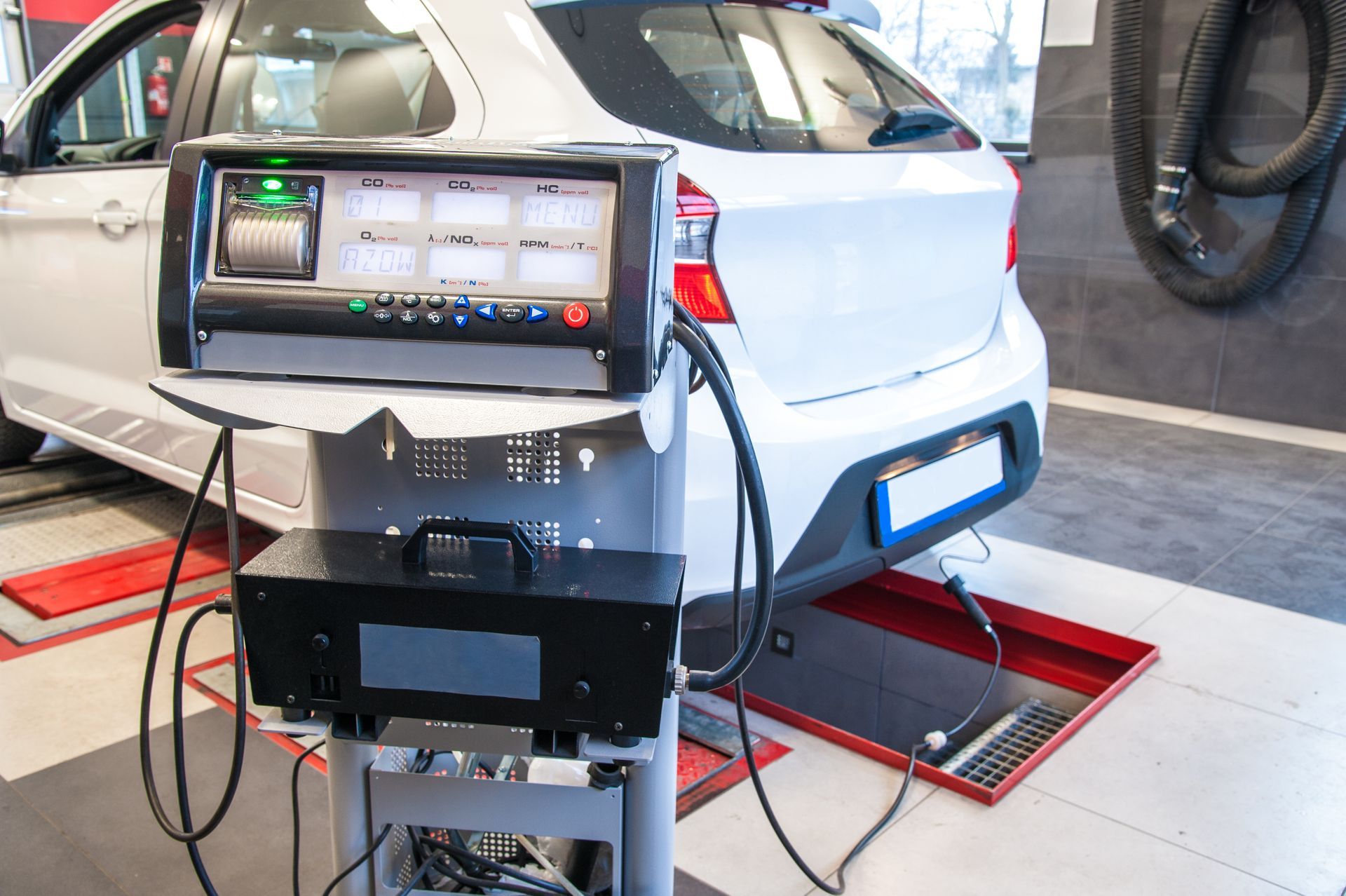
A VSSI certificate addresses the safety inspection required by the program. Smog Check addresses emissions requirements. Passing one doesn't automatically satisfy the other, and a general automotive repair registration isn't the same as approval to issue every type of inspection certificate.
That distinction is especially helpful when buying a repaired vehicle. Request the inspection and repair records, confirm the title and registration situation with the DMV, and review the safety report. A seller's statement that the brakes were recently replaced doesn't replace the certification required for that transaction.
Discuss Vehicle Safety Inspection Services in Jurupa Valley, CA, With D&S Automotive
D&S Automotive in Jurupa Valley, CA, is preparing to add VSSI services. Contact the shop to confirm licensing status, service availability, and the information needed for your vehicle before arranging a certification appointment.
Call us to discuss your vehicle safety inspection requirements and our planned VSSI service.