Clean Truck Check Testing In Jurupa Valley: Fast And Affordable
Clean Truck Check deadlines have made emissions compliance harder to treat as an occasional task. For many truck owners, the truck still runs, pulls, idles, and works every day, but the test may show something the driver never felt from behind the wheel.
That is what catches people off guard.
A passing test is not only about whether the truck feels strong. It is about whether the emissions system, onboard data, readiness monitors, and required components are in the condition California expects. Fast and affordable testing helps most when the truck is brought in early enough to leave room for repairs if something is not ready.
Clean Truck Check Is Part Of California Truck Compliance
Clean Truck Check, also known as California’s Heavy-Duty Inspection and Maintenance program, applies to many heavy-duty vehicles operating in California. The program is built around regular emissions testing and reporting, not a one-time check.
Most affected vehicles are on a twice-per-year testing schedule. CARB has also stated that beginning October 2027, many OBD-equipped vehicles will move to four tests per year. Some vehicle types, such as certain agricultural vehicles and California-registered motorhomes, follow different schedules.
That timing means owners need a routine. Waiting until the deadline is close can turn a manageable emissions issue into lost time, extra stress, and a truck that cannot pass when it needs to.
Fast Testing Works Best When The Truck Is Ready
A quick test visit is only useful if the truck is ready to be tested. If the check engine light is on, emissions-related fault codes are stored, or readiness monitors are incomplete, the process can slow down immediately.
Clearing codes right before testing is one of the most common mistakes. The dashboard may look better for a moment, but the truck still has to complete its self-checks. If those readiness monitors are not set, the truck may not be ready for a passing result.
A better plan is to check the truck early, repair faults properly, drive the needed cycle, and verify the system before the testing window gets tight.
The Check Engine Light Can Stop The Process
A check engine light should not be treated as a minor annoyance when Clean Truck Check is approaching. Even if the truck feels normal, an active emissions-related fault can be enough to create a problem during testing.
Diesel and heavy-duty emissions systems can involve EGR parts, DPF systems, DEF systems, NOx sensors, temperature sensors, pressure sensors, wiring, and control modules. One stored fault can point to a system that needs testing before the truck is ready.
The code is only the starting point. The repair still needs to be confirmed, so the truck does not come back with the same fault after the light is cleared.
Older Trucks May Need Smoke And Visual Checks
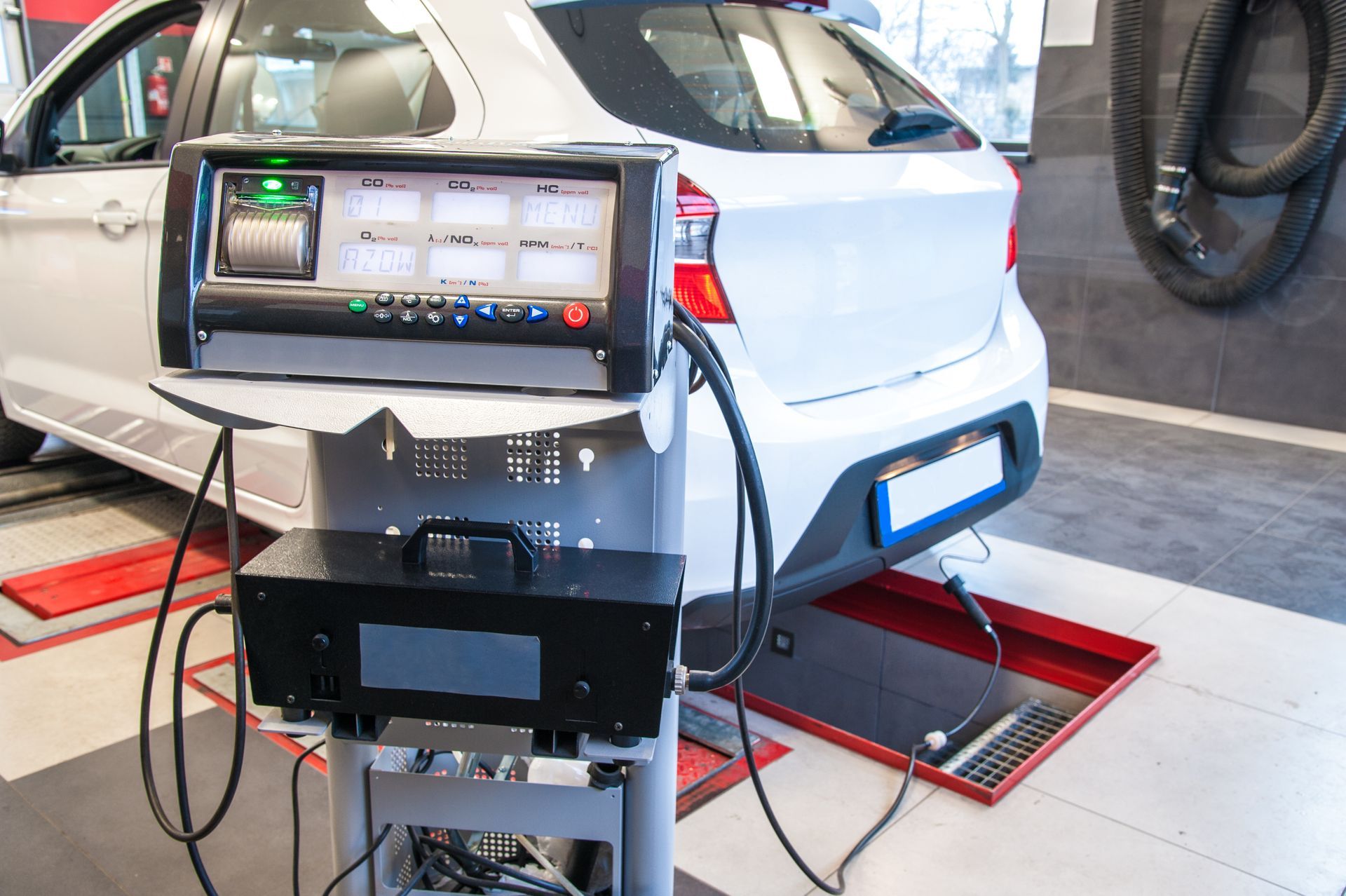
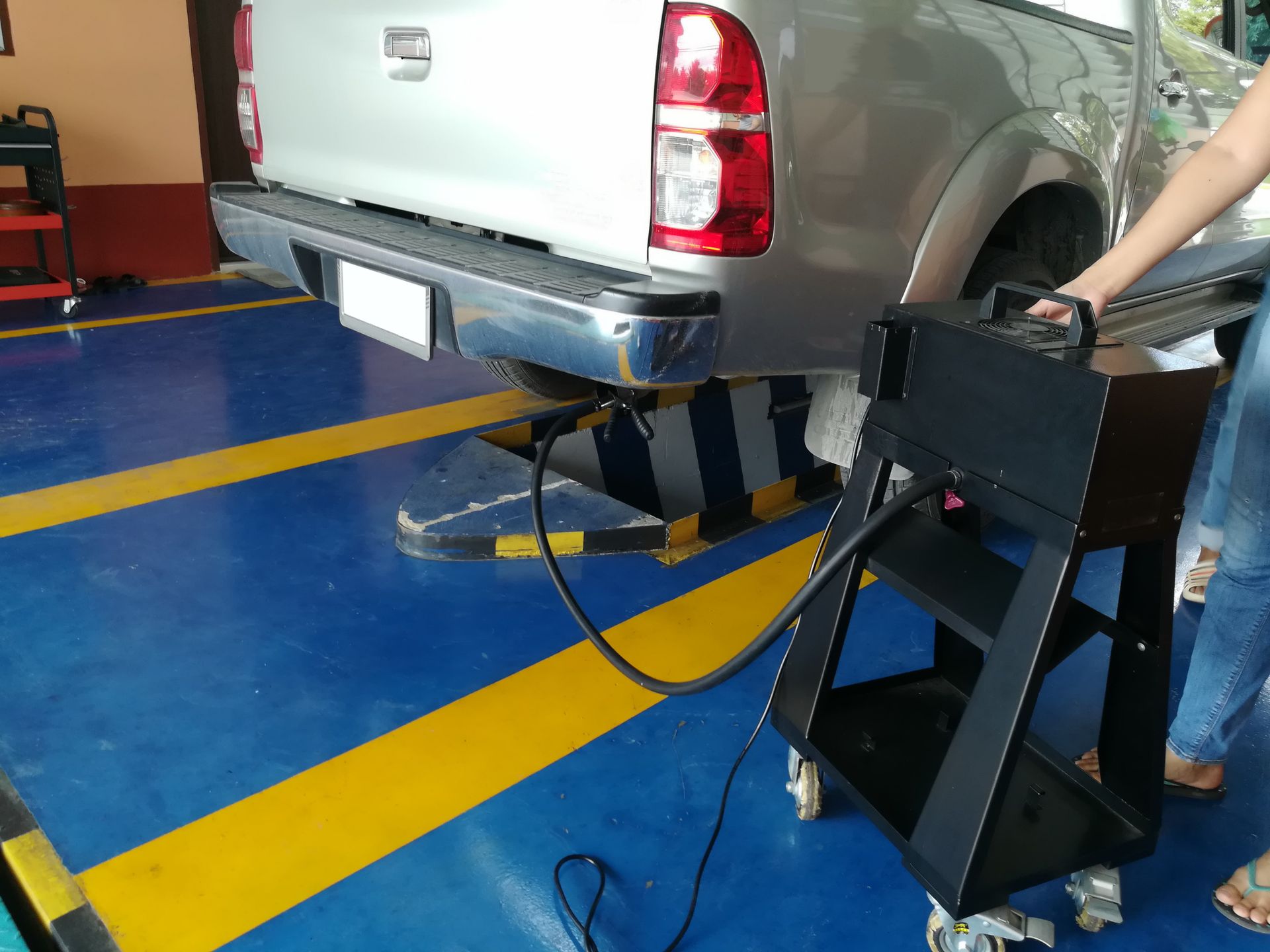
Not every truck is tested the same way. Newer OBD-equipped vehicles can be checked through onboard data. Older non-OBD trucks may need smoke opacity testing and a visual inspection of emissions-related parts.
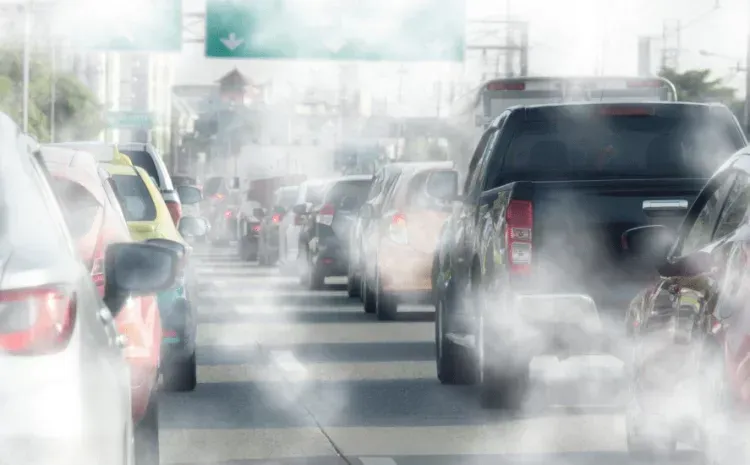
Smoke that has been getting heavier should not be ignored. Excessive smoke can point to fuel delivery problems, air-handling issues, injector wear, turbo trouble, poor combustion, or maintenance that has fallen behind.
Missing, altered, damaged, or non-working emissions components can also create trouble. A truck may still run well enough for work, but the test is looking for emissions compliance, not just basic drivability.
Affordable Testing Helps When You Do Not Wait
Affordable testing is most valuable when it is used early. If the truck passes, the owner can move on without the deadline getting stressful. If the truck fails, there is still time to diagnose the issue, make the repair, complete the drive cycle if needed, and retest.
CARB allows passing test results to be submitted within the required window before a compliance deadline. That early window gives owners a chance to plan rather than race the clock.
The most expensive version of Clean Truck Check is often the rushed one. A truck comes in late, fails, needs parts, needs drive time, and the owner has no room left in the schedule.
Testing And Repair Should Work Together
Clean Truck Check is easier when testing and repair are connected. If a truck fails due to readiness, codes, smoke, or concerns about emissions equipment, the next step should be clear. Guessing wastes time.
A proper process may include scanning the truck, checking readiness status, reviewing fault codes, inspecting visible emissions components, checking smoke concerns, and confirming repairs before retesting. Regular maintenance also helps because fuel, air, oil, cooling, and emissions systems all affect how cleanly the truck runs.
Compliance should feel like part of operating the truck, not a surprise that shows up twice a year.
Get Clean Truck Check Testing In Jurupa Valley, CA, With D&S Automotive
If your truck is due for Clean Truck Check testing, D&S Automotive in Jurupa Valley, CA, can help with testing, result submission, and repairs when the truck needs attention before it can pass.