5 Most Common Reasons Trucks Fail A Clean Truck Check Test in California
Clean Truck Check has changed the way heavy-duty owners need to think about emissions compliance in California. What used to feel like something you could deal with once in a while now needs regular attention, better timing, and fewer last-minute guesses. Right now, most affected trucks are on a twice-a-year testing schedule, and that moves to four tests per year for many OBD-equipped vehicles in the future.
That means a small emissions problem does not stay small for long.
Why Trucks Fail More Than Owners Expect
A failed Clean Truck Check result is not always about a truck that runs badly. Plenty of trucks still pull hard, idle fine, and stay on schedule, while the emissions side is already falling behind. That is what makes these failures frustrating. The driver judges the truck by how it feels. The test judges it by what the emissions system and onboard data are showing.
That gap is where most trouble begins.
1. The Check Engine Light Is On
A check engine light is one of the fastest ways to fail. If the truck has an active emissions-related fault, the system is already notifying the state of a problem that has not been corrected. Many owners wait because the truck still seems usable, but Clean Truck Check does not grade drivability. It is looking at emissions compliance.
That is why a light that feels minor in daily operation can become a hard stop at test time. If the light is on, the truck needs repair and verification before the test window gets tight.
2. The Readiness Monitors Are Not Set
A lot of people make this worse by clearing codes right before testing. The dashboard looks better for a moment, but the truck is no longer ready because the system has not completed its self-checks. That creates a second problem instead of fixing the first one.
Readiness failures waste time because the owner thinks progress was made when the truck is actually less prepared than before. The better move is to repair the cause, drive the proper cycle, and verify the monitors are complete before showing up for the test.
3. Emissions Components Are Missing, Damaged, Or Not Working Properly
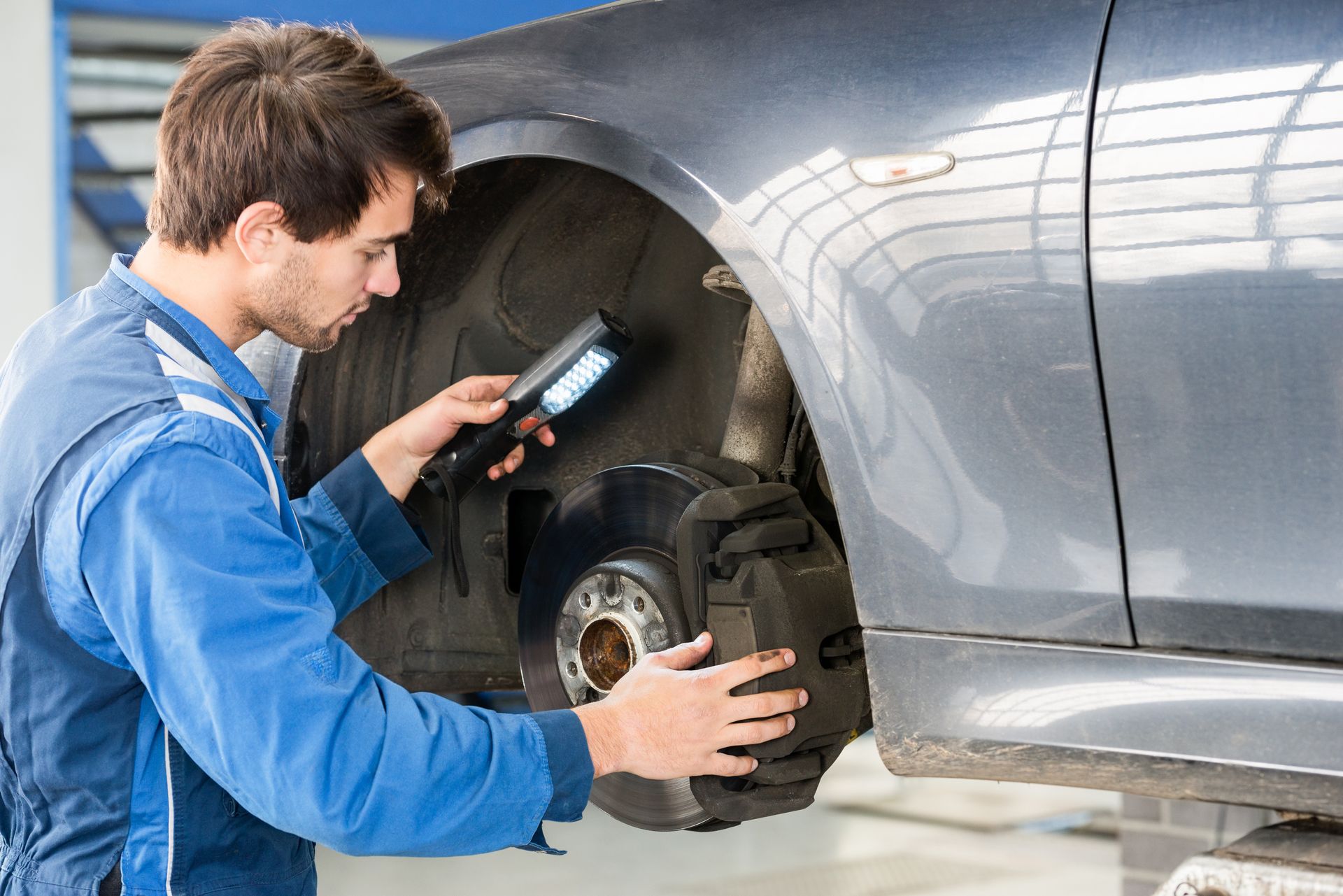
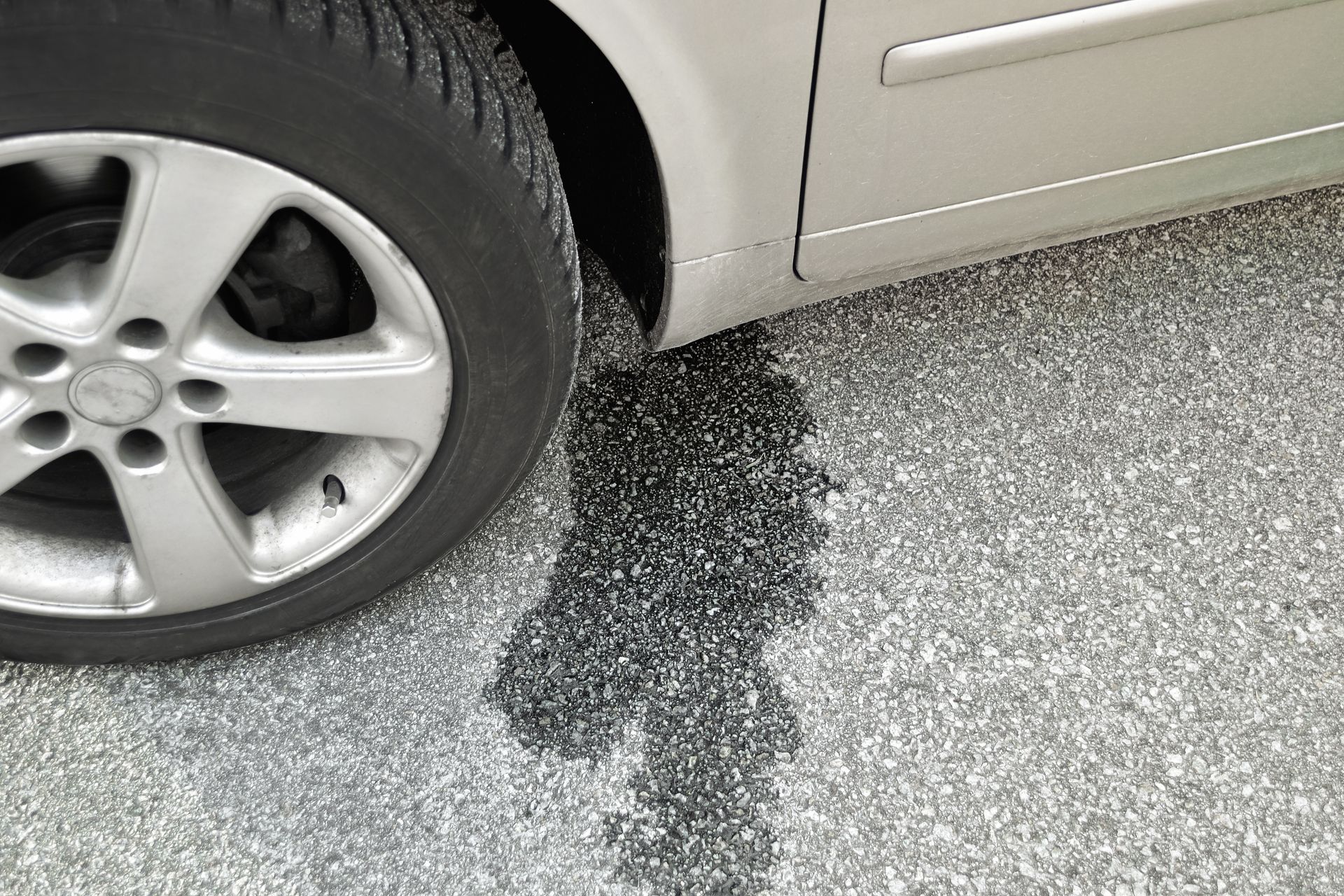
Some failures come from what is physically on the truck, not just what the scan tool says. Missing or altered emissions equipment, damaged components, visible defects, or exhaust-related parts that are no longer in proper condition can all cause trouble during compliance testing.
That catches owners off guard because the truck may still run well enough to stay in service. Clean Truck Check is not just asking whether the engine runs. It is asking whether the emissions system that belongs on the truck is still there and still doing its job.
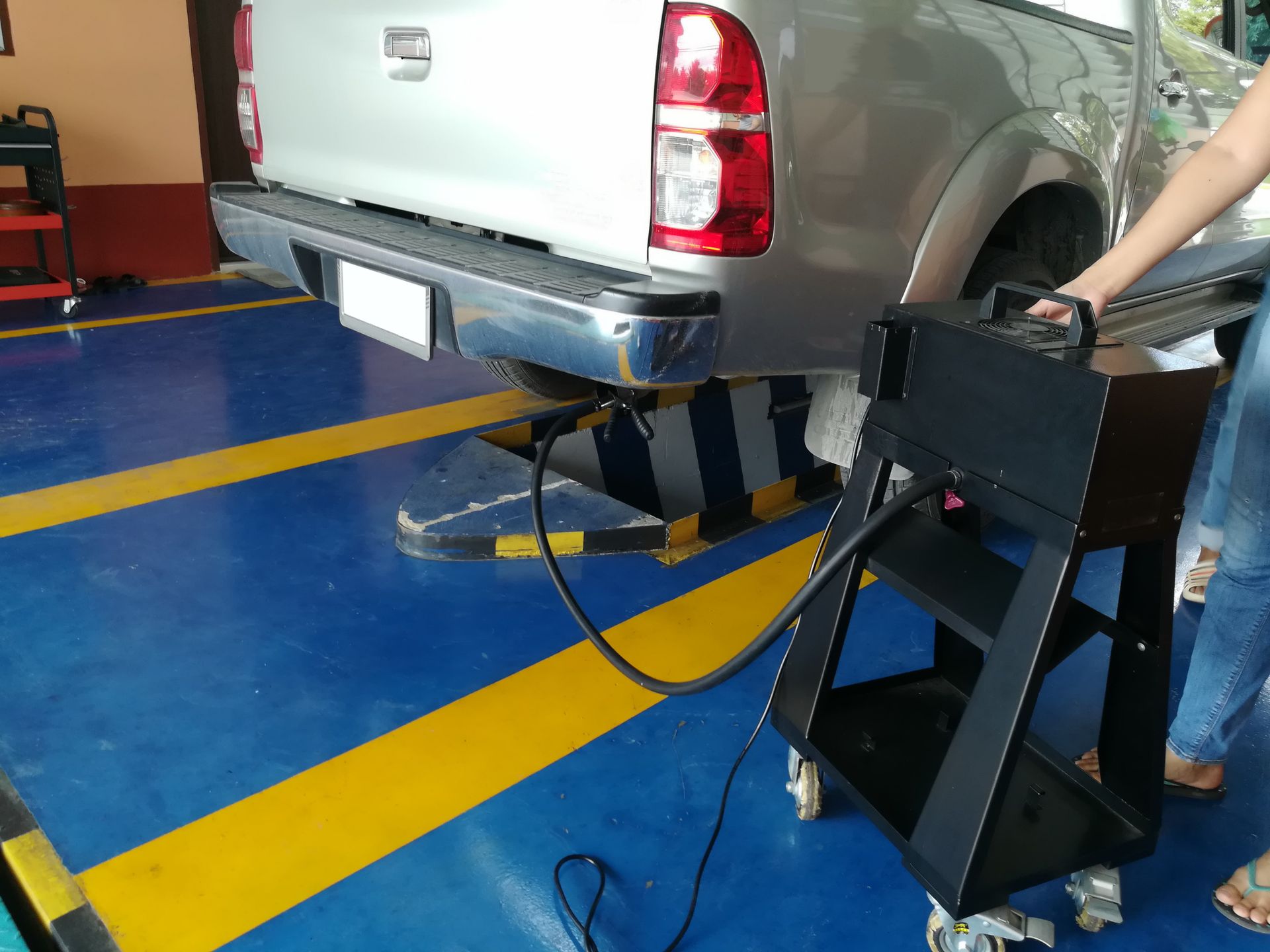
4. Smoke Opacity Is Too High On Older Non-OBD Trucks
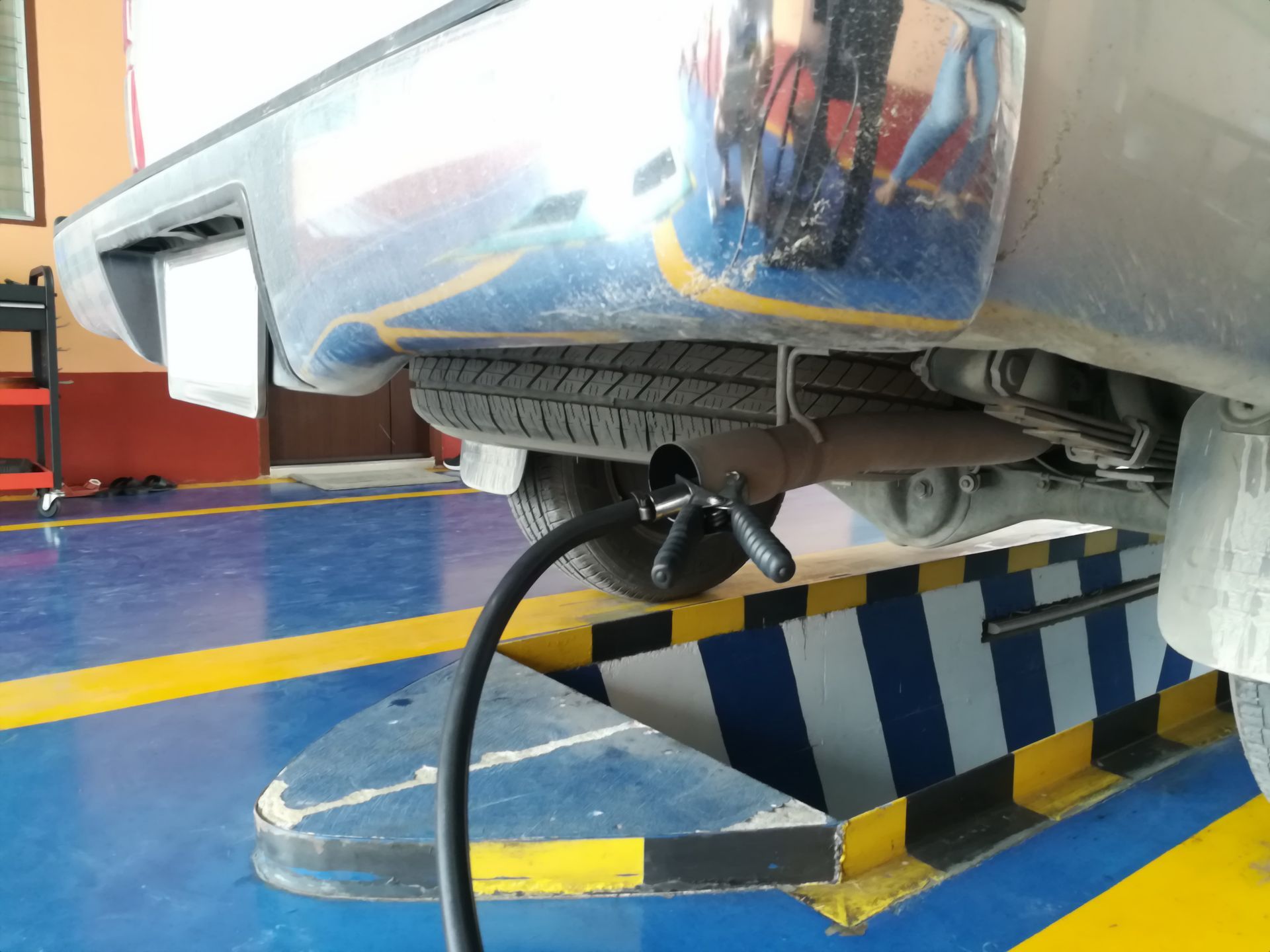
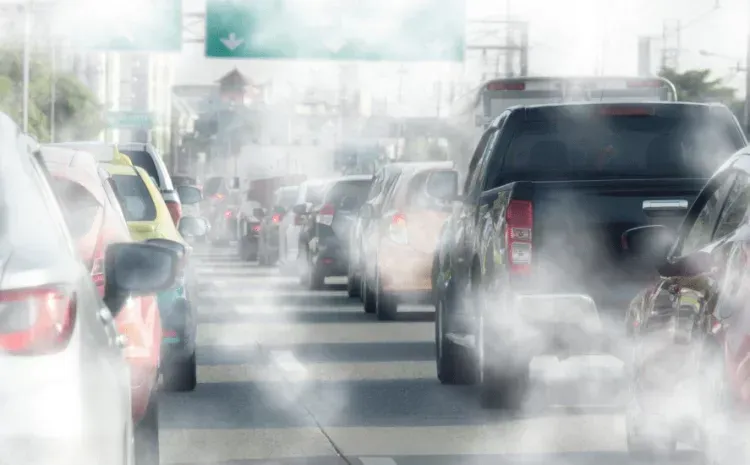
Older diesel trucks face a different kind of problem. When smoke output gets too high, the truck is already advertising that combustion and emissions control are not where they should be. Heavy smoke points to issues such as poor fuel delivery, air-handling problems, injector problems, turbo problems, or neglect that has been building for a while.
That is one reason older trucks need more than a quick pre-test glance. If smoke has been getting worse, the truck needs real attention before it gets anywhere near the test lane.
5. The Owner Waits Too Long To Test
Timing is one of the biggest reasons trucks fail the process, even when the repair itself was manageable. An owner waits until the deadline is close, the truck fails, and there is no comfortable space left for diagnostic, repair, drive-cycle completion, and retesting. The emissions problem might have been fixable without much drama, but the timing turned it into a much bigger headache.
That is where we can help you. Clean Truck Check goes a lot smoother when testing happens early enough to leave room for the truck to need something.
What to Do Differently
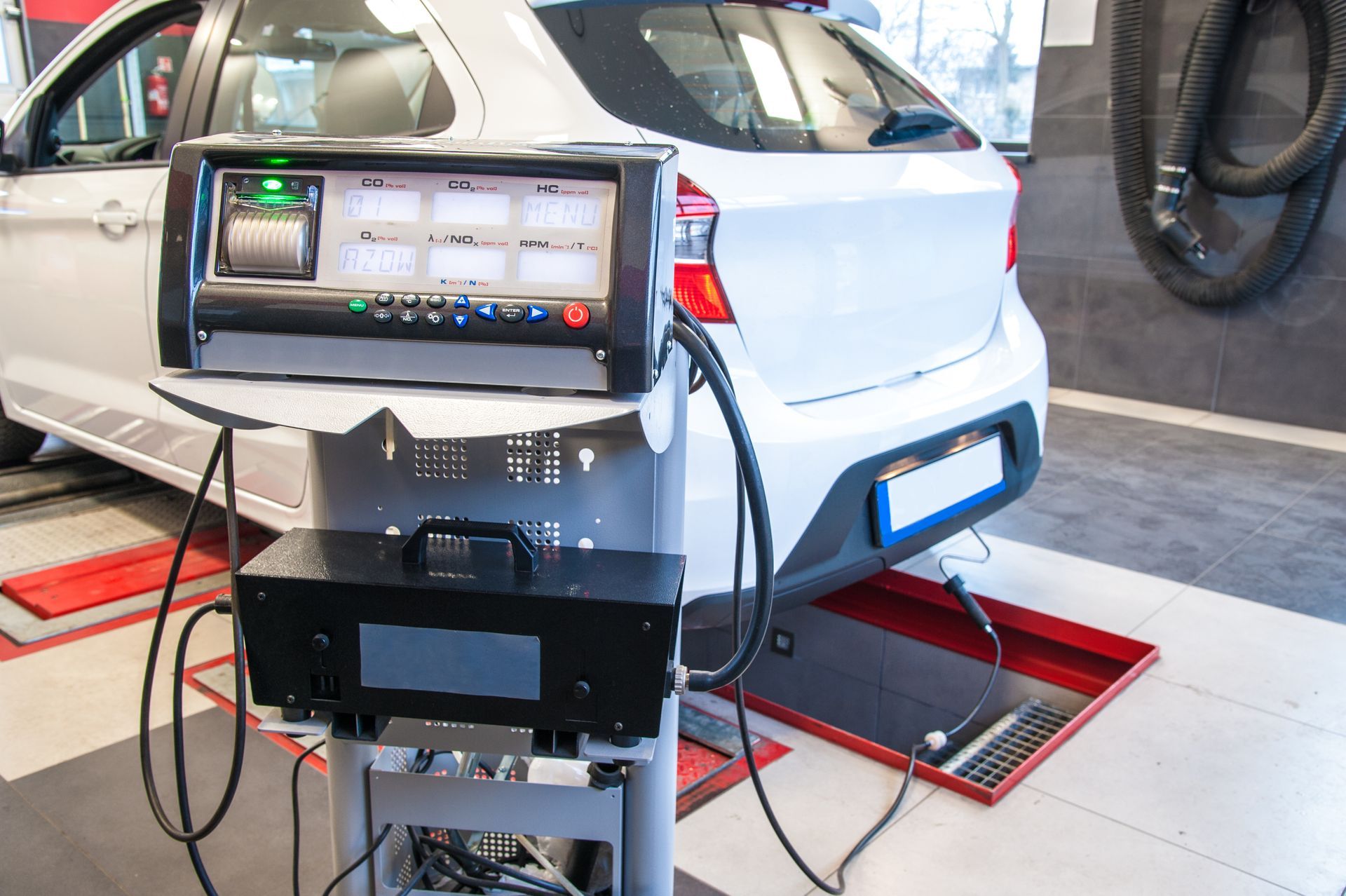
The trucks that get through this process more smoothly are not always the newest ones. They are the ones being watched before the deadline shows up. Owners who stay ahead of warning lights, scan the truck early, fix faults properly, and verify readiness are in a much better position than owners trying to beat the clock.
A few habits that will help you a lot:
- Scan the truck before the deadline window gets tight
- Do not clear codes just to make the dash look better
- Fix check engine light issues early
- Make time for retesting if needed
- Treat emissions compliance like maintenance, not paperwork
That approach saves time, reduces stress, and lowers the risk of lost work time because the truck was not ready when it needed to be.
Why Early Testing Is The Better Strategy
A rushed Clean Truck Check visit puts all the pressure at the wrong end of the process. Early testing gives you room to breathe. If the truck passes, great. If it fails, there is still time to repair it properly and come back without the deadline hanging over every decision.
That timing also helps with cost control. At D&S Automotive, we keep our Clean Truck Check pricing competitive for Jurupa Valley and the surrounding cities, so it is easier to test early instead of waiting until the last minute and hoping the truck slips through.
Clean Truck Check Is Not Going Away
The bigger point here is simple. California is moving toward more frequent compliance, not less. Biannual inspections already require owners to maintain a real schedule, and the upcoming shift to four tests per year for many OBD-equipped trucks leaves even less room for neglect. A truck already behind on emissions maintenance will not become easier to manage under a tighter testing cycle.
That is why the best plan is to build testing and repair into your operating routine now, rather than treating every deadline as a separate emergency.
Get Clean Truck Check Testing In Jurupa Valley, CA, With D&S Automotive
If your truck is due for Clean Truck Check testing, D&S Automotive in Jurupa Valley, CA, can help with testing, result submission, repairs when needed, and a process that is easier to manage before the deadline gets too close. Our pricing is designed to remain highly competitive in Jurupa Valley and surrounding cities, making early compliance planning much easier.
Bring the truck in early and give yourself enough room to fix the problem before the state schedule forces the decision for you.