Why Are California Smog Checks Needed?
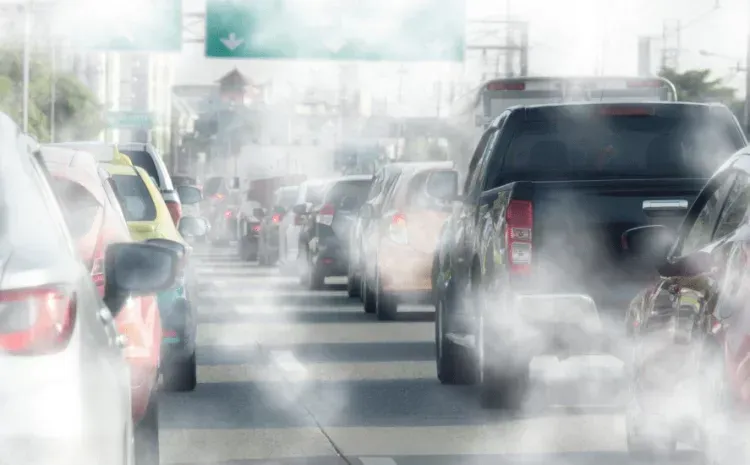
California drivers often think of a smog check as one more step in renewing vehicle registration. The program has a broader purpose, though. It identifies vehicles producing excessive emissions so the underlying problems can be repaired or the vehicle can be removed from service when appropriate.
The Bureau of Automotive Repair describes Smog Check as a vehicle testing and maintenance program created to improve air quality. California has millions of vehicles on its roads, so even a small emissions problem multiplied across many cars can affect the air people breathe.
Smog Checks Help Find High-Emitting Vehicles
A vehicle can release excessive emissions without producing visible smoke or feeling noticeably different from the driver’s seat. A weak oxygen sensor, leaking fuel vapor system, worn catalytic converter, or inaccurate engine sensor may allow the vehicle to continue running while emissions rise.
Smog testing provides a consistent way to identify those concerns. The goal is not simply to pass or fail a car. It is to confirm that the systems designed to control emissions are present, operating correctly, and communicating properly with the vehicle’s computer.
They Support California Registration Requirements
California generally requires smog certification for many vehicle registration renewals and certain registration transactions, although exemptions apply. The renewal notice tells the owner whether certification is required and may specify that the vehicle must visit a STAR station.
Because requirements can vary based on vehicle type, model year, location, and transaction, drivers should follow the instructions on their current DMV notice. Assuming that a previous exemption still applies can delay registration if the vehicle’s status or current requirements have changed.
The Test Checks More Than Visible Exhaust
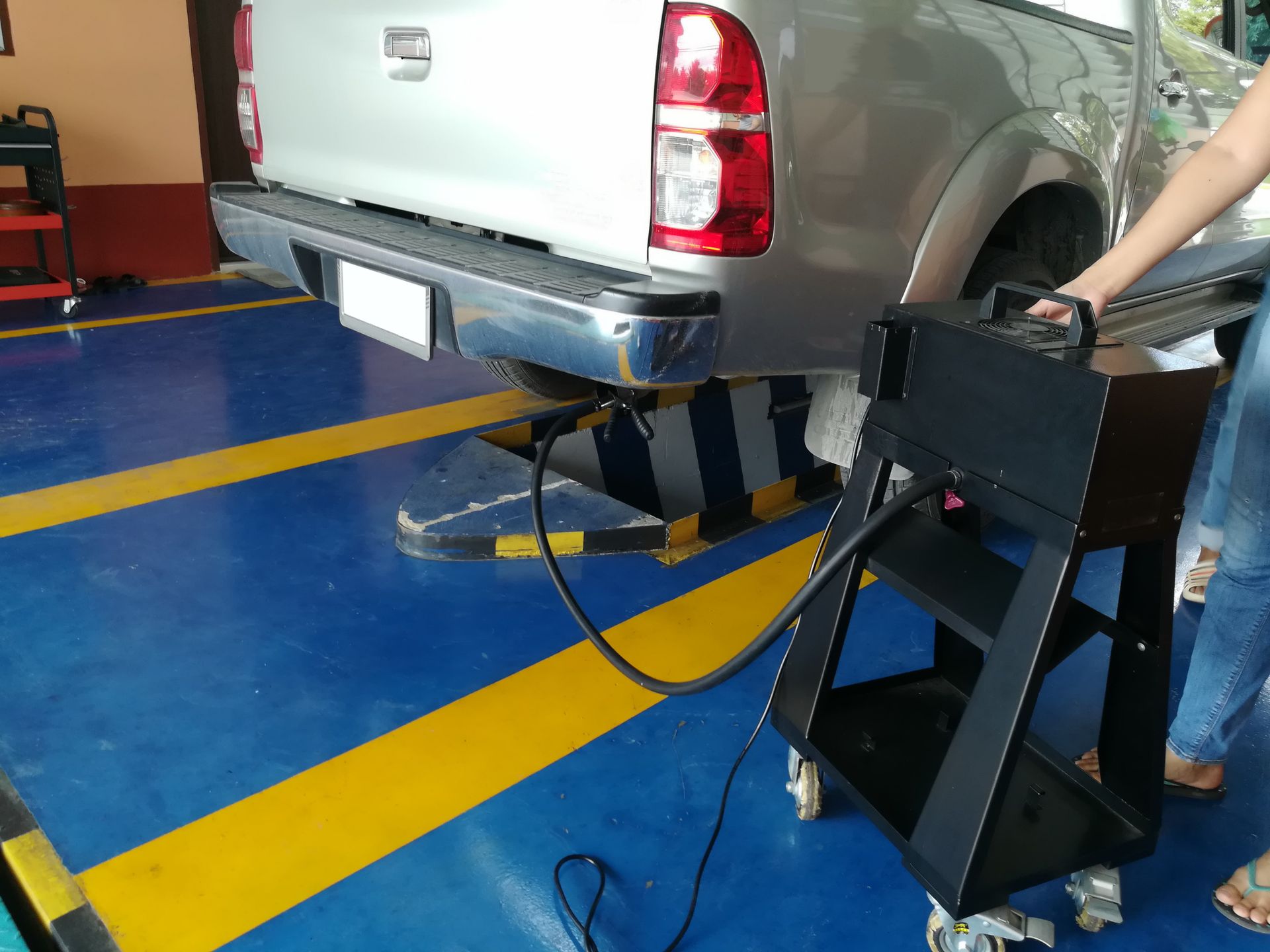
Modern vehicles use an onboard diagnostic system to monitor the engine and emissions controls. Depending on the vehicle, a smog test may review stored trouble codes, emissions-monitor readiness, dashboard warning lights, and identifying information. Older vehicles may follow a different testing procedure based on age, weight, and fuel type.
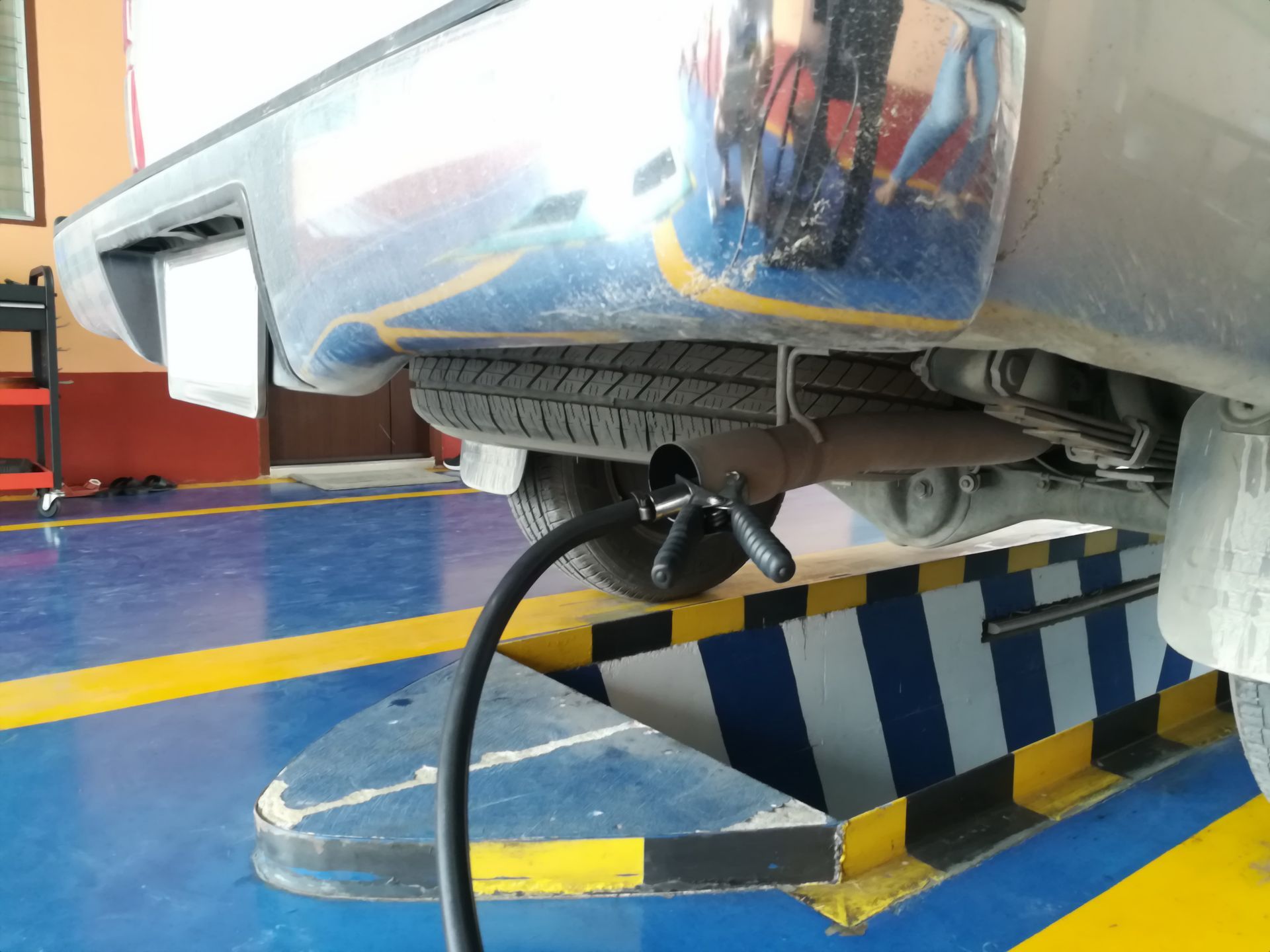
The technician may also verify that required emissions components are installed and have not been improperly modified. A vehicle cannot be evaluated accurately by looking only at the tailpipe because many faults begin inside sensors, fuel controls, vapor lines, and computer-monitored systems.
Common Reasons A Vehicle Fails
A failed smog test does not always mean the engine needs a major repair. Many failures begin with a smaller emissions, electrical, or maintenance concern.
- The check engine light is on.
- The computer monitors are not ready.
- An oxygen or airflow sensor is inaccurate.
- The catalytic converter is no longer working effectively.
- The evaporative emissions system leaks.
- The engine is misfiring.
- Fuel delivery is too rich or too lean.
- Required emissions equipment has been altered or removed.
These conditions need testing before parts are replaced. A catalytic converter code, for example, may be caused by converter wear, but repeated misfires, oil consumption, exhaust leaks, or incorrect fuel control can also affect converter performance.
Why The Check Engine Light Is Important
The check engine light warns that the vehicle computer has detected a fault involving the engine, fuel controls, or emissions system. Clearing the light shortly before a smog check does not repair the problem. It also resets the computer monitors that need to be completed before testing.
After codes are cleared or battery power is disconnected, the vehicle usually needs to be driven through several operating conditions before all required monitors become ready. The exact drive pattern varies by vehicle. Repeatedly clearing codes can delay the test while hiding information that would help diagnose the original fault.
Emissions Problems Can Affect The Way The Car Runs
Some emissions failures produce obvious symptoms such as rough idle, hesitation, weak acceleration, increased fuel use, or a strong exhaust smell. Others cause very little change until the problem becomes more advanced. A vehicle may therefore fail even though it seems to drive normally.
Addressing the fault can help protect connected components. An active misfire can send unburned fuel into the catalytic converter and overheat it. A rich fuel mixture can increase deposits and fuel consumption, while an intake leak can create hesitation and unstable idle.
How To Prepare For A Smog Check
Make sure the check engine light is not illuminated and avoid disconnecting the battery immediately before the appointment. Confirm that the vehicle has enough fuel for testing and that the engine reaches normal operating temperature. If the car has been sitting or used only for very short trips, a normal drive beforehand may help complete its computer monitors.
Regular maintenance can also reduce avoidable failures. Correct oil, properly functioning spark plugs, intact intake hoses, and a secure fuel cap all support emissions performance. If the vehicle has warning lights, drivability changes, or an incomplete monitor, testing the cause before the official inspection can prevent an unsuccessful visit.
Get Smog Check Service In Jurupa Valley, CA, With D&S Automotive
If your registration notice requires a smog certification or your vehicle has an emissions warning, D&S Automotive in Jurupa Valley, CA, can help evaluate the vehicle’s readiness and identify problems that may affect the result.