R1234YF Vs R134a Refrigerant: What’s The Difference and Why All New Vehicles Use R1234YF?
Most drivers only think about refrigerant when the A/C stops keeping up, but the type inside the system affects how it is serviced and what can go wrong. It also changes what equipment is required and why some quick fixes backfire. That is why two cars can have the same warm-air complaint and still need different steps.
Once you know which refrigerant your vehicle uses, the rest of the A/C conversation gets a lot simpler.
Why Refrigerant Type Matters
Refrigerant absorbs heat from the cabin at the evaporator and releases it at the condenser. Each refrigerant behaves a little differently under pressure, so manufacturers design the system around a specific type and an exact charge amount. If the system is low, it may cool weakly, cycle on and off, or run pressures that are not where they should be.
It also matters for service accuracy and cleanliness. Modern machines recover and weigh refrigerant so the charge can be put back in precisely, not estimated. During an inspection, confirming the correct refrigerant and checking for leak clues is the first step before anyone talks about adding refrigerant.
R134a: The Older Standard
R134a was the common automotive refrigerant for many years, and it is still widely used in older vehicles. It cools well, it is stable in typical automotive conditions, and most shops have long experience servicing it. Parts and service information for R134a systems are generally straightforward.
The drawback is what happens if it escapes into the air. R134a has a high global warming potential compared to newer options, so regulators and manufacturers pushed for alternatives. That shift explains the change in new vehicles, even though plenty of R134a systems still perform well when properly maintained.
R1234YF: The Newer Standard
R1234yf is used in most newer vehicles because its global warming potential is much lower than that of R134a. It can deliver comparable cooling when the A/C system is designed for it, which makes adoption realistic at scale. It also breaks down faster in the atmosphere, which reduces long-term impact if it leaks.
The tradeoff is classification and handling. R1234yf is considered mildly flammable (A2L), so equipment standards and service procedures are tighter. In day-to-day driving, the system is engineered around that reality, but correct service matters, and the refrigerant itself is typically more expensive.
Why New Cars Moved To R1234YF
Environmental rules are the headline reason, since mobile A/C systems were targeted for lower climate impact. Automakers needed a refrigerant that met those targets without forcing a complete redesign of every vehicle platform. R1234yf fits that need and became the direction for new production.
There are practical benefits too. Standardizing on one newer refrigerant helps parts supply, training, and factory system design stay consistent over time. We also see fewer people taking shortcuts when the service requires dedicated equipment and proper recovery, instead of a simple top-off.
What Changes During A/C Service
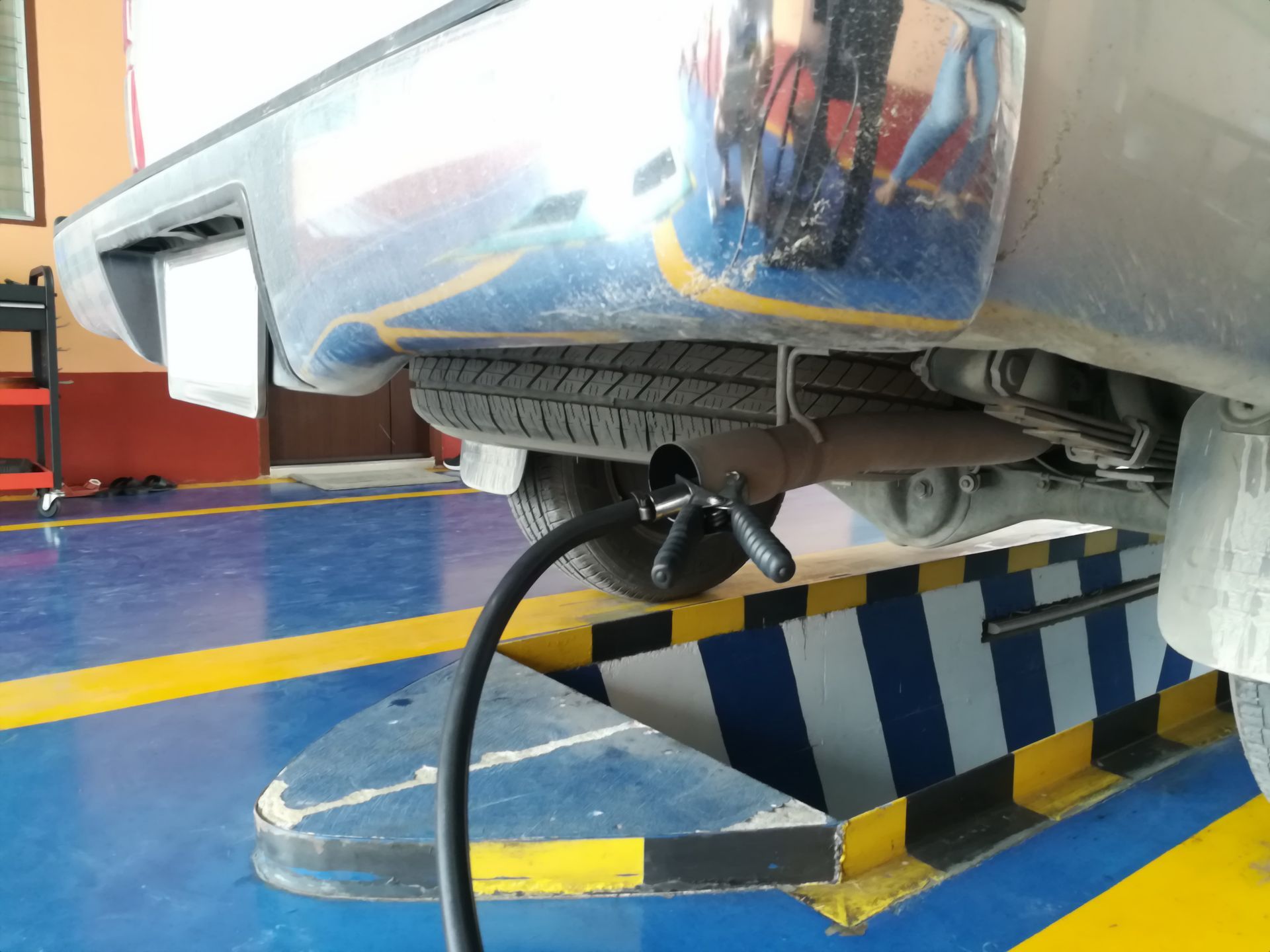
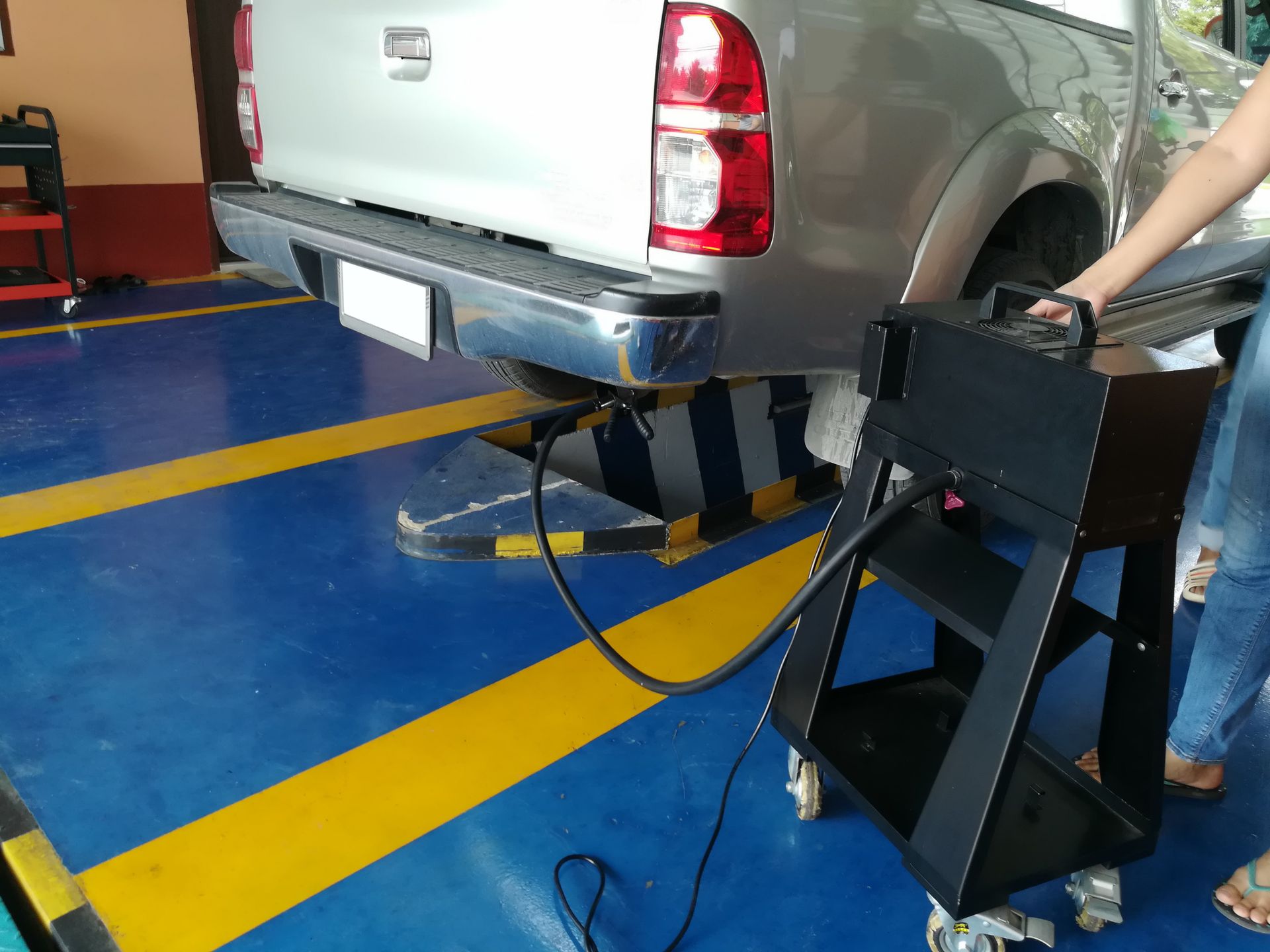
The first change is the tools and fittings. R1234yf systems use different service couplers, dedicated recovery machines, and separate storage tanks to prevent cross-contamination with R134a. Compressor oil can differ as well, and mixing the wrong oil or refrigerant can hurt cooling and shorten component life.
The second change is process and safety. Our technicians follow A2L handling steps like proper ventilation, leak checking, and charging by weight instead of relying on pressure alone. As part of regular maintenance, it is smart to have A/C performance checked before hot weather, since small changes are easier to correct early.
Recharge Or Repair: How To Decide
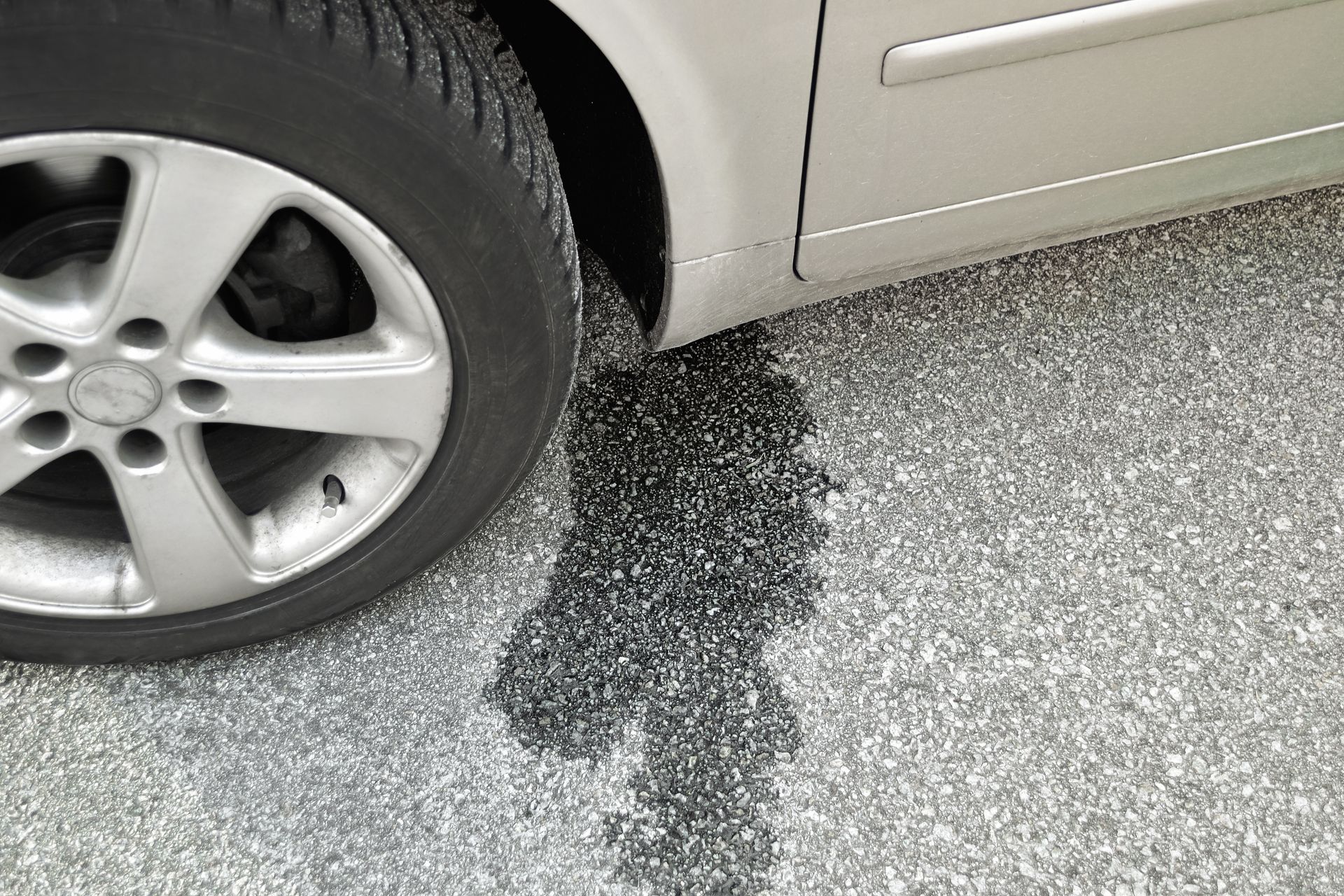
A recharge can help when the system is slightly low, but it should not be treated like something the A/C needs on a schedule. Refrigerant does not get used up, so a low charge usually points to a leak or an inaccurate past service. The most cost-effective path is identifying the cause, then correcting it once.
If you are unsure which direction to go, patterns usually tell the story. A slow leak tends to show up as cooling that fades over weeks, while a bigger leak can change cooling quickly. These clues often suggest repair first:
- Cooling fades over weeks or months, not overnight
- The A/C cycles rapidly at idle or in traffic
- Oily residue shows up at a hose connection or at the condenser
- Air starts cold, then warms up as you drive
Get A/C Refrigerant Service In Jurupa Valley, CA With D&S Automotive
If your A/C is not cooling like it used to, D&S Automotive can confirm the refrigerant type and service the system with the correct equipment and procedures. You will get a recommendation on whether you need a leak repair, a recharge, or both.
Schedule a visit when it works for you.